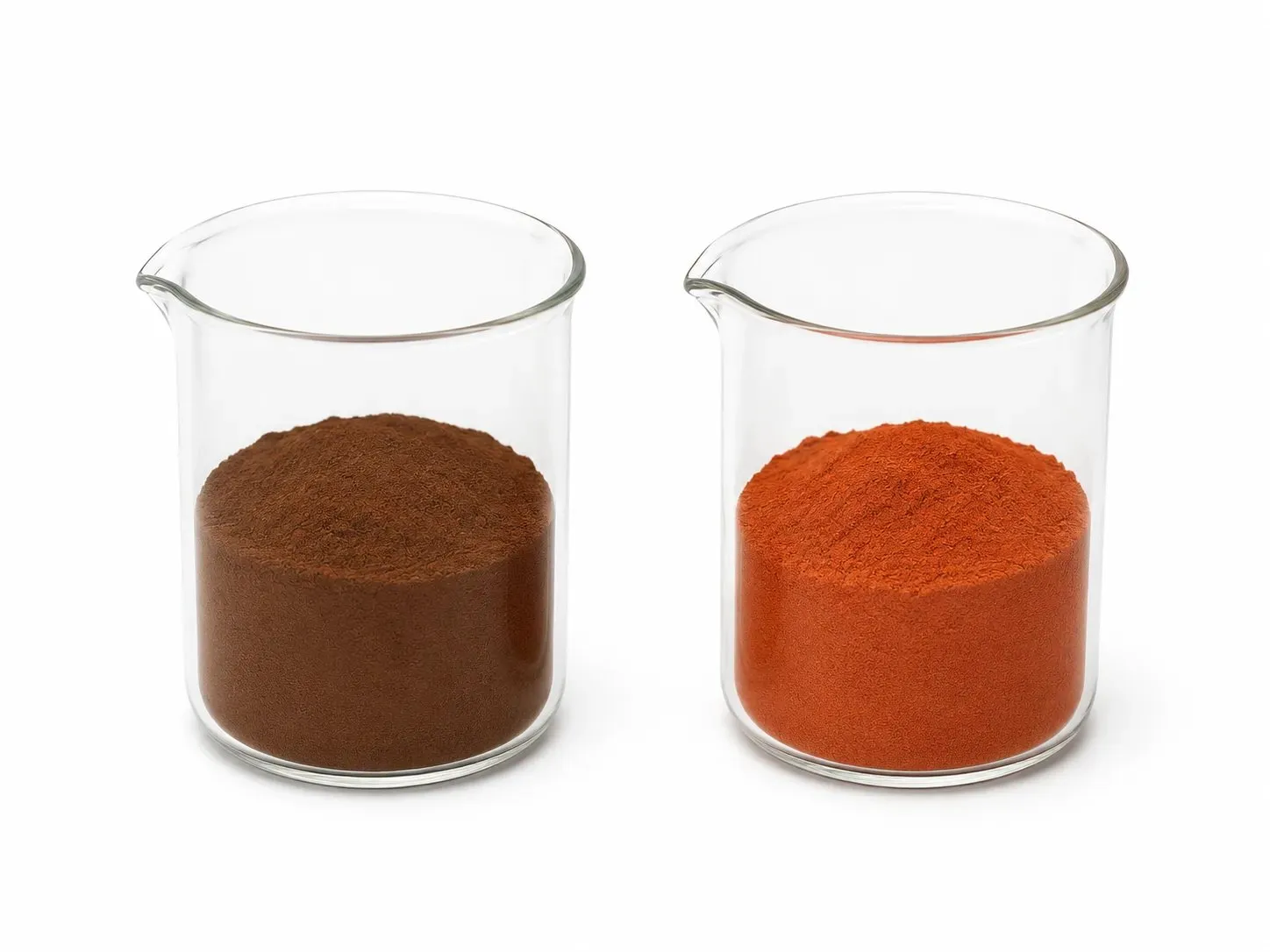
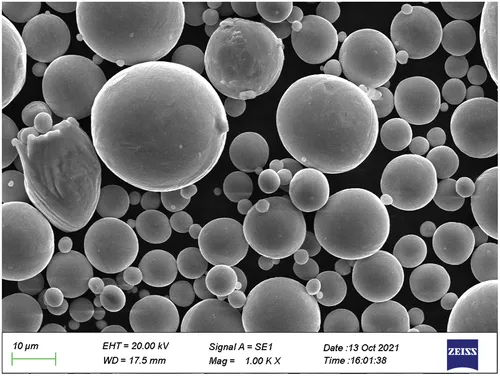
Sintered friction materials used in brakes, clutches and transmission components rely on metal powder matrices to provide structural integrity, thermal conductivity and controlled friction characteristics. Unlike organic friction materials that use resin binders, sintered metal friction linings operate at temperatures exceeding 500 degrees C without degradation, making them essential for heavy-duty applications including railway brakes, aircraft brakes, construction equipment and high-performance automotive systems. The metal powder matrix - typically copper-based with additions of tin, iron, graphite and ceramic friction modifiers - must be engineered to balance multiple competing requirements: sufficient porosity for lubricant retention, adequate thermal conductivity for heat dissipation, controlled friction coefficient across the operating temperature range, and structural strength to withstand repeated mechanical and thermal cycling. MEPOSO supplies copper, bronze and tin powders specifically characterised for sintered friction material production.
Copper and Bronze Powder Selection for Friction Matrices
Copper powder forms the primary matrix component in most sintered friction materials, typically comprising 50-70% of the total formulation by weight. The copper provides the thermal conductivity needed to transport frictional heat away from the contact surface, preventing hot spots that cause fade and uneven wear. Electrolytic copper powder with dendritic morphology is preferred for friction applications because the irregular particle shape creates mechanical interlocking during pressing, producing green compacts with sufficient strength for handling before sintering. Bronze powder (CuSn10) is often added at 5-15% to lower the sintering temperature and improve matrix densification. Tin powder at 3-8% serves a similar function while also acting as a solid lubricant at the friction interface. MEPOSO copper and bronze powders for friction applications are produced with controlled particle size (typically -150 micrometres), consistent chemistry and documented apparent density for predictable pressing behaviour.
Process Parameters: Pressing, Sintering and Bonding to Steel Backing
Sintered friction linings are typically manufactured by pressing the powder mixture onto a steel backing plate at pressures of 200-400 MPa, then sintering in a reducing atmosphere (hydrogen or dissociated ammonia) at temperatures of 800-950 degrees C for 30-90 minutes. The sintering process must achieve three objectives simultaneously: densification of the metal matrix to 75-90% theoretical density (maintaining controlled porosity), metallurgical bonding between the friction lining and the steel backing plate, and uniform distribution of friction modifiers throughout the matrix. Copper-based matrices sinter well at 850-920 degrees C, which is below the melting point of the steel backing, making the process compatible with standard furnace equipment. MEPOSO provides sintering parameter recommendations for its friction-grade powders based on extensive qualification experience with friction material producers.
Quality Control and Powder Specification for Friction Materials
Friction material producers require tight control over powder characteristics because small variations in chemistry, particle size or morphology can significantly affect pressing behaviour, sintering response and final friction performance. Critical parameters include: copper content and purity (typically 99.5% minimum for electrolytic grades), tin content in bronze powders (9.5-10.5% for CuSn10), particle size distribution matched to the pressing route, apparent density for consistent mould filling, and oxygen content below specified limits to ensure clean sintering. MEPOSO provides certificate of analysis for every production batch with all critical parameters documented, enabling friction material producers to maintain the tight process control required for safety-critical braking applications. Contact MEPOSO to discuss powder requirements for your friction material production.
联系MEPOSO。