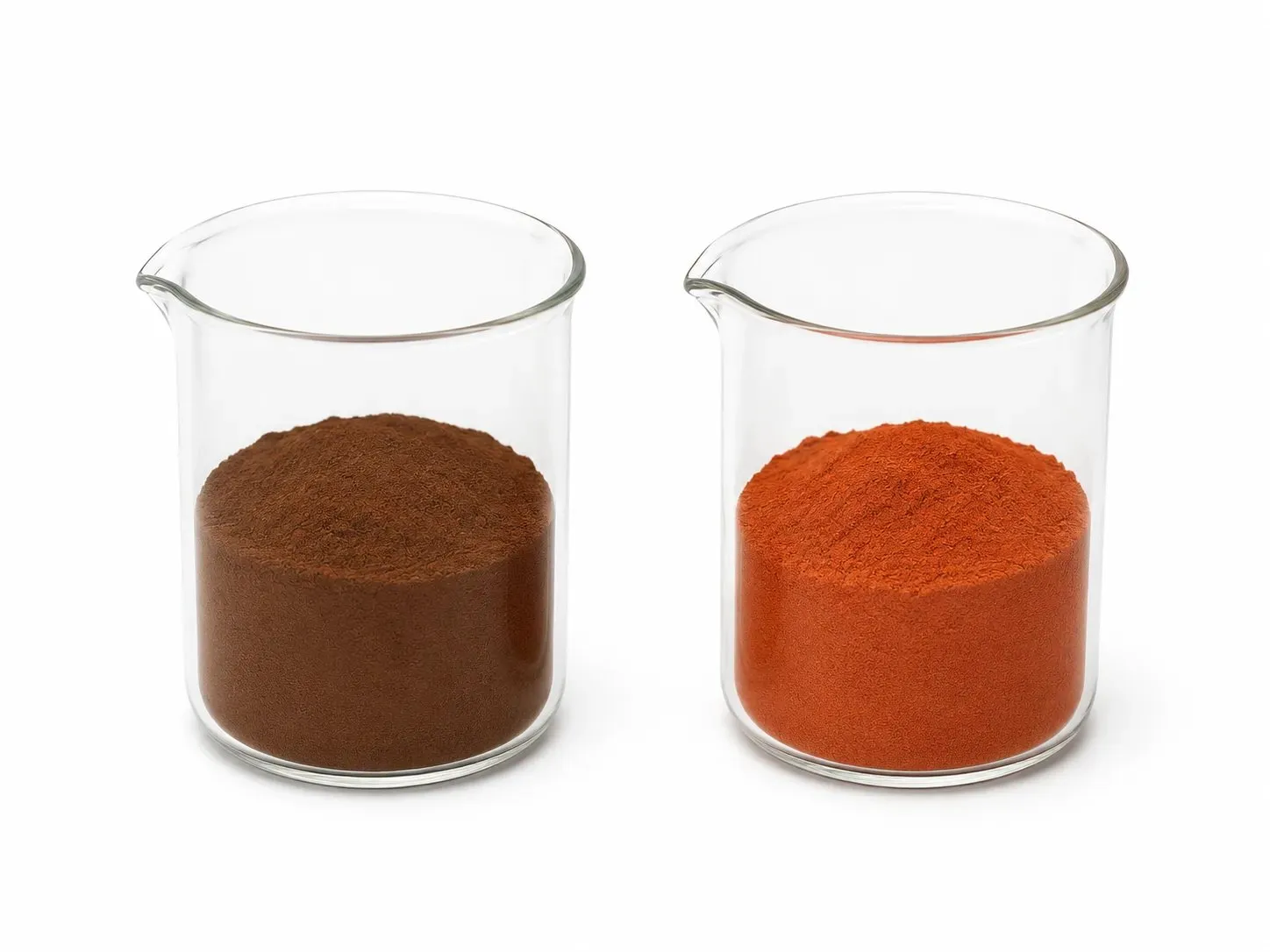
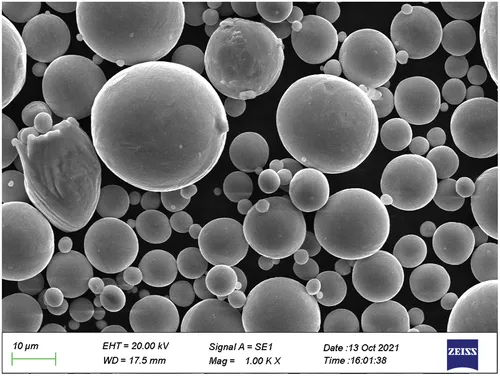
Gesinterte Reibwerkstoffe, die in Bremsen, Kupplungen und Getriebebauteilen eingesetzt werden, stuetzen sich auf Metallpulvermatrizen, um strukturelle Integritaet, Waermeleitfaehigkeit und kontrollierte Reibeigenschaften zu gewaehrleisten. Im Gegensatz zu organischen Reibwerkstoffen mit Harzbindern arbeiten gesinterte Metallreibbelaege bei Temperaturen ueber 500 Grad Celsius ohne Degradation, was sie unverzichtbar fuer Schwerlastanwendungen macht, einschliesslich Eisenbahnbremsen, Flugzeugbremsen, Baumaschinen und Hochleistungs-Automobilsysteme. Die Metallpulvermatrix — typischerweise auf Kupferbasis mit Zusaetzen von Zinn, Eisen, Graphit und keramischen Reibmodifikatoren — muss so entwickelt werden, dass sie mehrere konkurrierende Anforderungen ausbalanciert: ausreichende Porositaet fuer die Schmierstoffretention, angemessene Waermeleitfaehigkeit fuer die Waermeableitung, kontrollierter Reibungskoeffizient ueber den gesamten Betriebstemperaturbereich und strukturelle Festigkeit, um wiederholte mechanische und thermische Zyklen zu ueberstehen. MEPOSO liefert Kupfer-, Bronze- und Zinnpulver, die speziell fuer die Herstellung gesinterter Reibwerkstoffe charakterisiert sind.
Copper and Bronze Powder Selection for Friction Matrices
Bakır toz forms the primary matrix component in most sintered friction materials, typically comprising 50-70% of the total formulation by weight. The bakır provides the thermal conductivity needed to transport frictional heat away from the contact surface, preventing hot spots that cause fade and uneven wear. Electrolytic bakır toz with dendritic morphology is preferred for friction uygulamas because the irregular particle shape creates mechanical interlocking during pressing, producing green compacts with sufficient strength for handling before sinterleme. Bronz toz (CuSn10) is often added at 5-15% to lower the sinterleme sıcaklık and improve matrix densification. Tin toz at 3-8% serves a similar function while also acting as a solid lubricant at the friction interface. MEPOSO bakır and bronz tozs for friction uygulamas are produced with controlled particle size (typically -150 micrometres), consistent chemistry and documented apparent density for predictable pressing behaviour.
Process Parameters: Pressing, Sintering and Bonding to Steel Backing
Sintered friction linings are typically manufactured by pressing the toz mixture onto a steel backing plate at pressures of 200-400 MPa, then sinterleme in a reducing atmosphere (hydrogen or dissociated ammonia) at sıcaklıks of 800-950 degrees C for 30-90 minutes. The sinterleme process must achieve three objectives simultaneously: densification of the metal matrix to 75-90% theoretical density (maintaining controlled porosity), metallurgical bonding between the friction lining and the steel backing plate, and uniform distribution of friction modifiers throughout the matrix. Bakır-based matrices sinter well at 850-920 degrees C, which is below the melting point of the steel backing, making the process compatible with standard furnace equipment. MEPOSO sağlar sinterleme parameter recommendations for its friction-grade tozs based on extensive qualification experience with friction material producers.
Quality Control and Powder Specification for Friction Materials
Friction material producers require tight control over toz characteristics because small variations in chemistry, particle size or morphology can significantly affect pressing behaviour, sinterleme response and final friction performans. Critical parameters include: bakır content and purity (typically 99.5% minimum for electrolytic grades), tin content in bronz tozs (9.5-10.5% for CuSn10), particle size distribution matched to the pressing route, apparent density for consistent mould filling, and oxygen content below specified limits to ensure clean sinterleme. MEPOSO sağlar certificate of analysis for every production batch with all critical parameters documented, enabling friction material producers to maintain the tight process control required for safety-critical braking uygulamas. MEPOSO ile iletişime geçin to discuss toz requirements for your friction material production.
MEPOSO ile iletisime gecin.