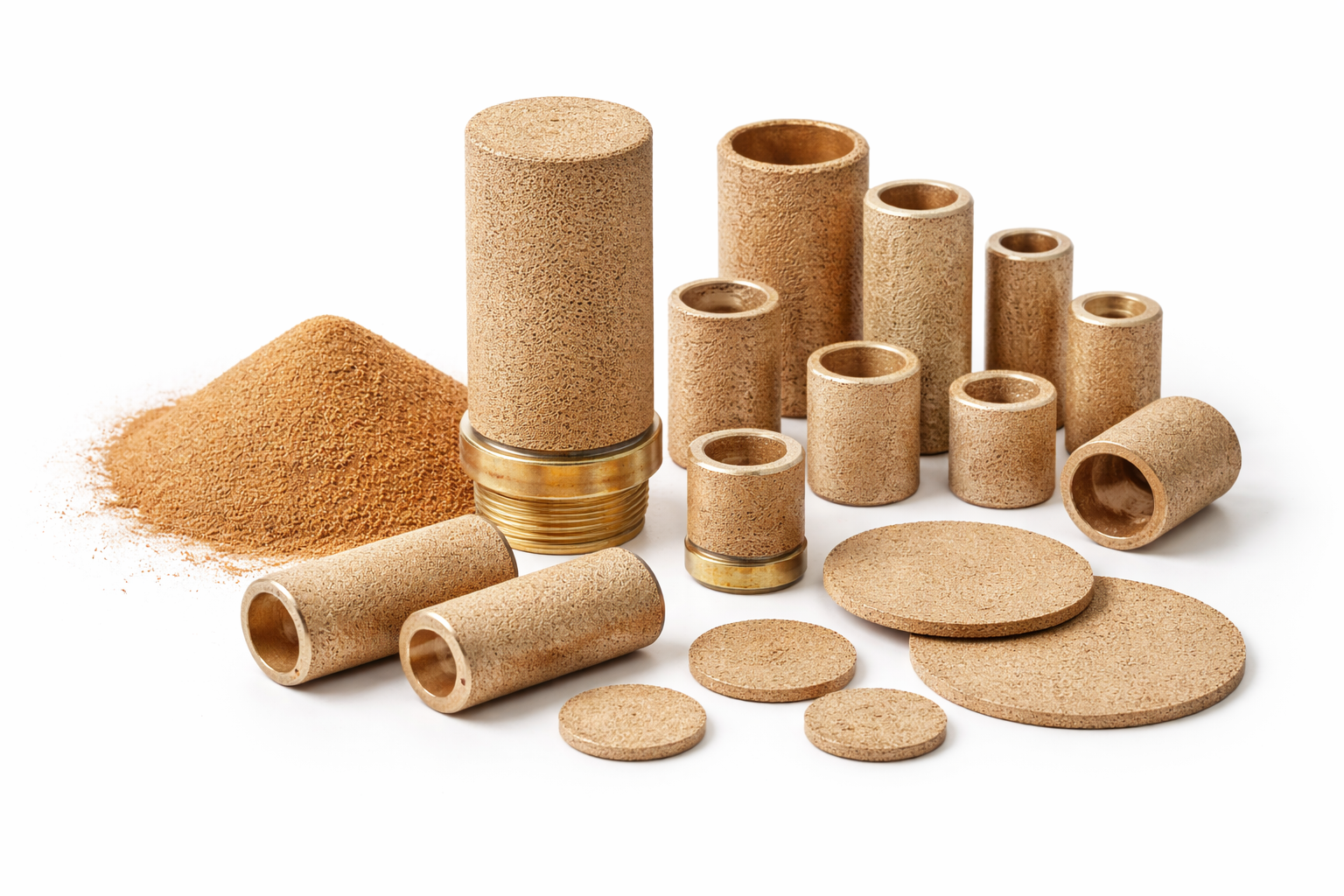
Copper powders used in contact materials are usually selected for electrical and thermal conductivity, but industrial qualification depends on more than nominal purity. Particle shape, distribution, oxide level and lot consistency all influence how the finished material behaves in service.
Conductivity must stay compatible with the full formulation
A powder can have excellent intrinsic conductivity and still perform poorly if morphology or oxide level is misaligned with the rest of the system. In practice, buyers should evaluate the powder inside the real formulation window, not as an isolated lab number.
Repeatability matters as much as nominal specification
Contact materials are often qualified over time, not through one trial batch. Stable particle size, controlled oxide and repeatable apparent density help buyers reduce variation in pressing, sintering and final electrical performance.
MEPOSO can support technical comparison of copper powders for contact-material applications.