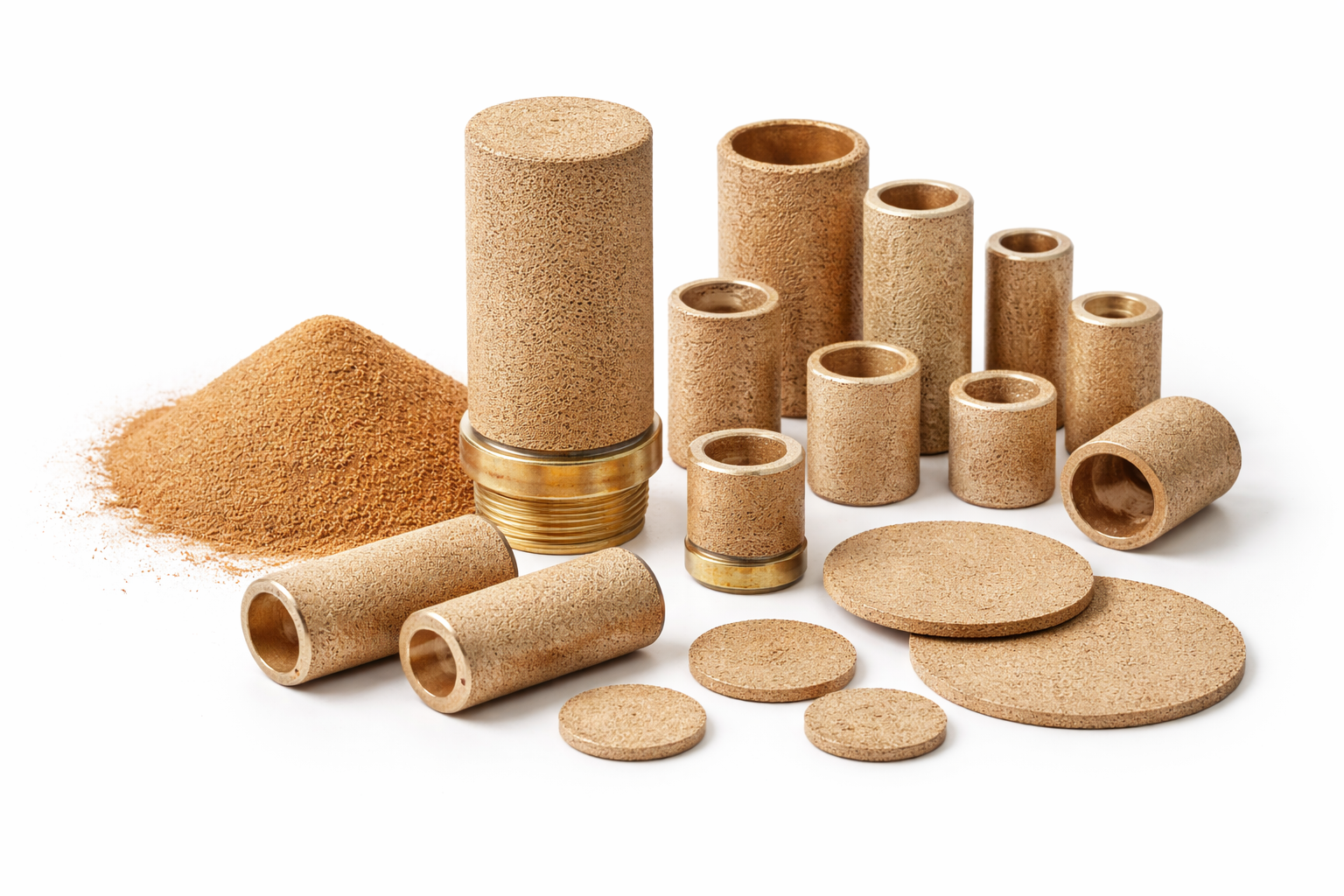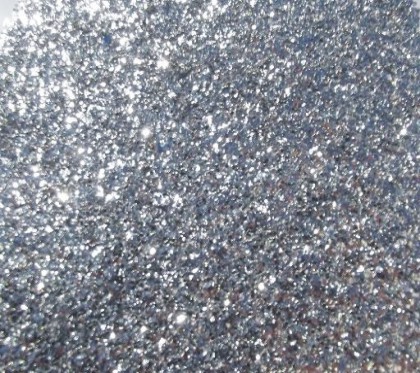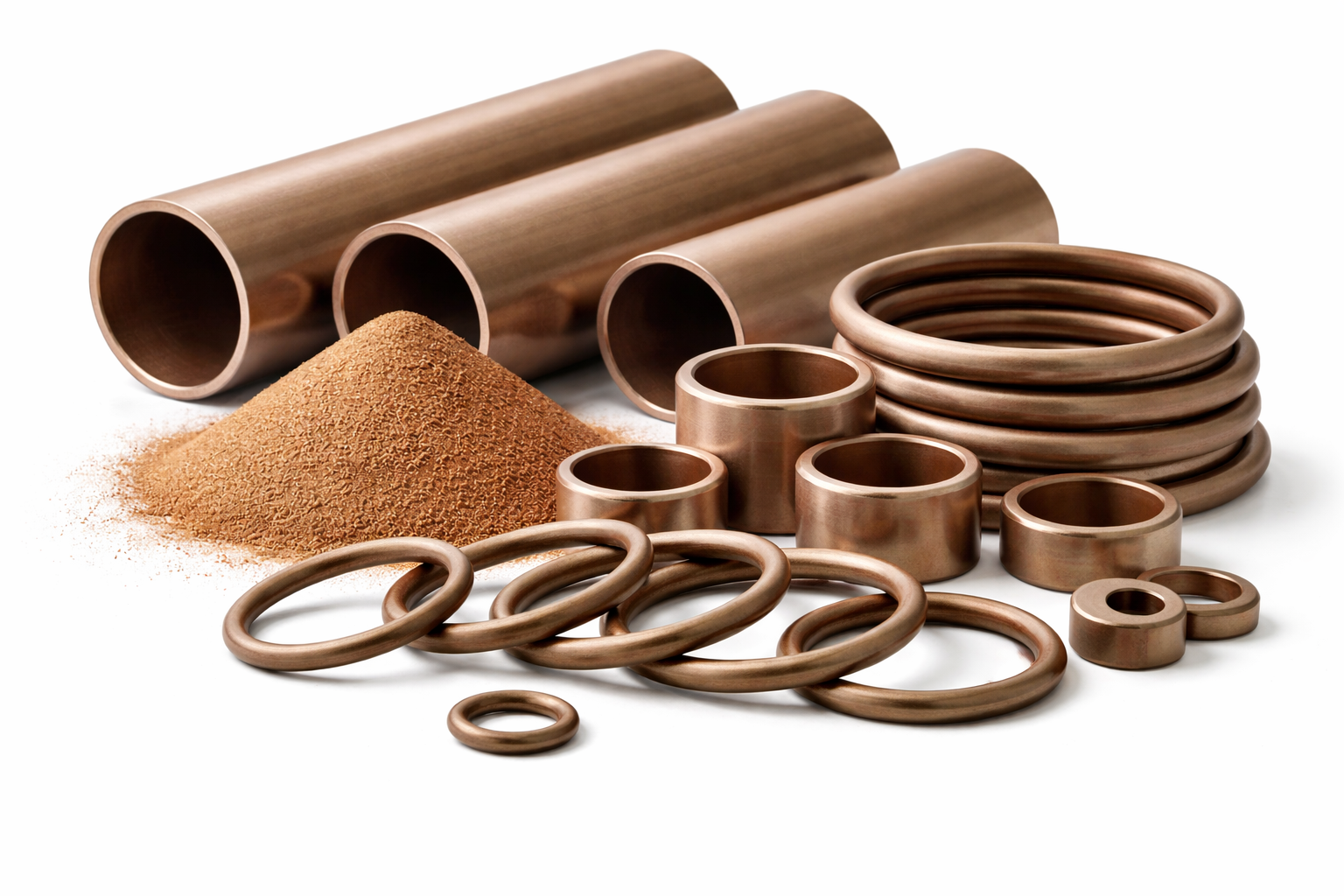
In PTFE compounds, bronze powder is not added as a decorative ingredient. It is introduced to change the mechanical and tribological behaviour of the polymer so the final part performs better under load, sliding, heat and dimensional stress. Buyers usually evaluate not only bronze percentage, but also alloy family, particle shape and particle size distribution.
Why bronze is added to PTFE compounds
Bronze filler is typically used to improve compressive strength, reduce cold flow, increase dimensional stability and support wear resistance in dynamic sealing and bearing-type parts. It can also help heat dissipation compared with unfilled PTFE, which is relevant where frictional temperature build-up affects part life.
Where bronze-filled PTFE is commonly used
Typical end uses include seals, guide rings, bearing elements, wear strips, compressor components and parts that must keep shape under sliding load. The exact suitability depends on mating surface, lubrication condition, speed and contact pressure, so bronze percentage alone is never the full answer.
Which bronze powders are used most often
In practice, bronze powders for PTFE are often selected from tin-bronze families because they offer a familiar balance between hardness, processability and wear contribution. Fine to medium granulometries are commonly preferred because they disperse more uniformly in the polymer matrix. For many industrial buyers, the most used references are atomized bronze powders around the classic 90/10 or nearby Cu/Sn balance, plus adjacent compositions chosen according to target performance and processing route.
What to check when sourcing bronze powder for PTFE
Beyond chemistry, buyers should check consistency of particle size, apparent density, contamination level and batch repeatability. The powder must also be compatible with the customer mixing route, compounding method and final part specification. In real qualification work, the right question is not only which bronze to buy, but which bronze powder remains stable and repeatable in the converter’s process.
MEPOSO can support technical comparison of bronze powder grades for PTFE compounds, including alloy family, granulometry and repeatability targets.