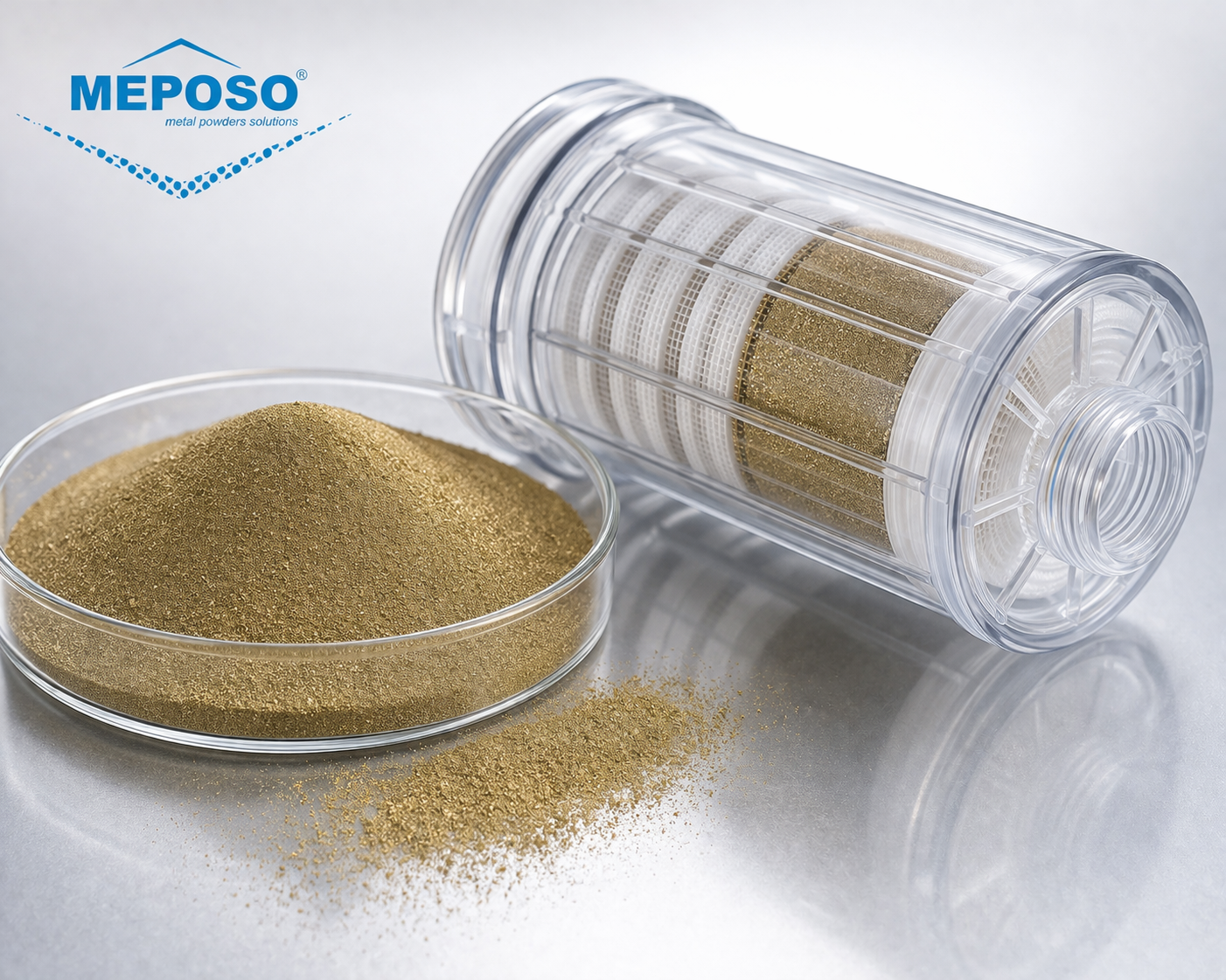
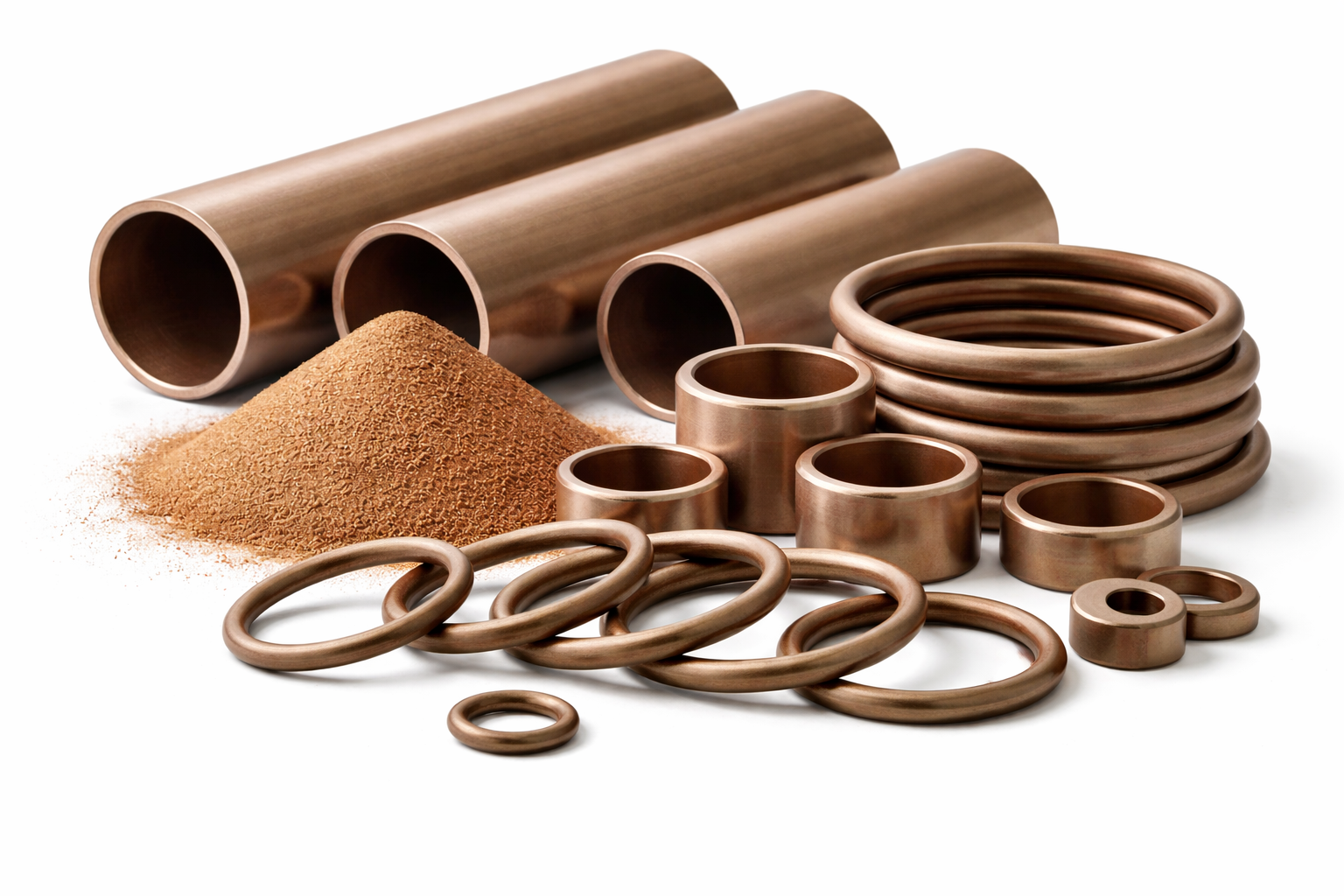
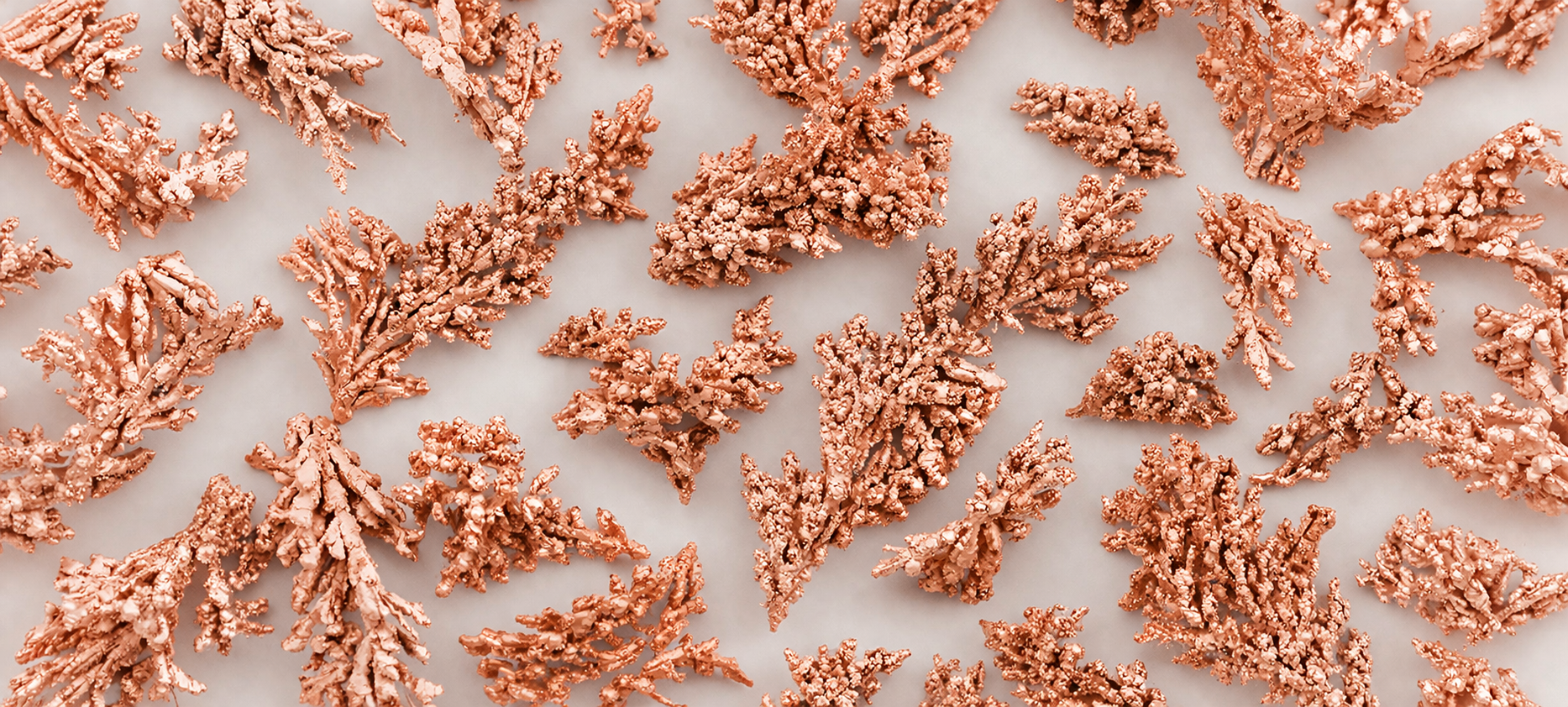
Bronze powders for bi-metal bearings are usually specified around steel-backed strip processing, bearing performance and environmental route. This is why buyers compare not only tin and lead windows, but also alternative Bi- and Ni-containing grades, granulometry and morphology. In practice the product family is broader than one chemistry: routes like BRONZE PY, PX, RSX, PE, PP, PL, PC, PB, BS and BB answer different balance targets between bearing behaviour, strip manufacturing and legislation.
A bearing family, not one single bronze
The leaded route includes grades such as PY, PX, RSX, PE, PP, PL and PC, while the lead-free route includes alternatives such as PB, BS and BB. Bi-containing grades in particular are considered ecological bronze alloys for lead-free bearing routes. The practical question is not only which chemistry is available, but which route best fits the strip producer, the bearing target and the regulatory framework.
Why leaded bronze powders are still used
Leaded bronze powders are still specified where embeddability, conformability and emergency sliding behaviour remain critical. In steel-backed bi-metal bearings, the lead phase can help the running surface tolerate local debris, shaft misalignment and mixed-lubrication episodes. That is why many legacy and heavy-duty bearing routes still compare leaded grades against newer bismuth- or nickel-based alternatives instead of removing them from qualification by default.
Typical application fields
These powders are typically qualified for steel-backed bi-metal bearing strip used in automotive and diesel engine bearings, compressors, pumps, agricultural equipment, industrial transmissions and other heavily loaded sliding systems. In some high-load defense and tracked-vehicle platforms, similar bronze-bearing routes are also evaluated for slew-ring and support-bearing assemblies where resilience, debris tolerance and repeatable strip processing matter. The point is not one sector only, but a class of applications where the bearing layer must combine load support, sliding stability and manufacturability.
What buyers usually compare
The comparison normally includes chemistry window, lead or lead-free route, grain-size class, morphology and downstream strip behaviour. For this reason a professional offer should not stop at a grade name: it should clarify where the powder sits in the bearing route and why it was chosen.
MEPOSO can support technical comparison of bronze powders used in bi-metal strip and steel-backed bearing applications.