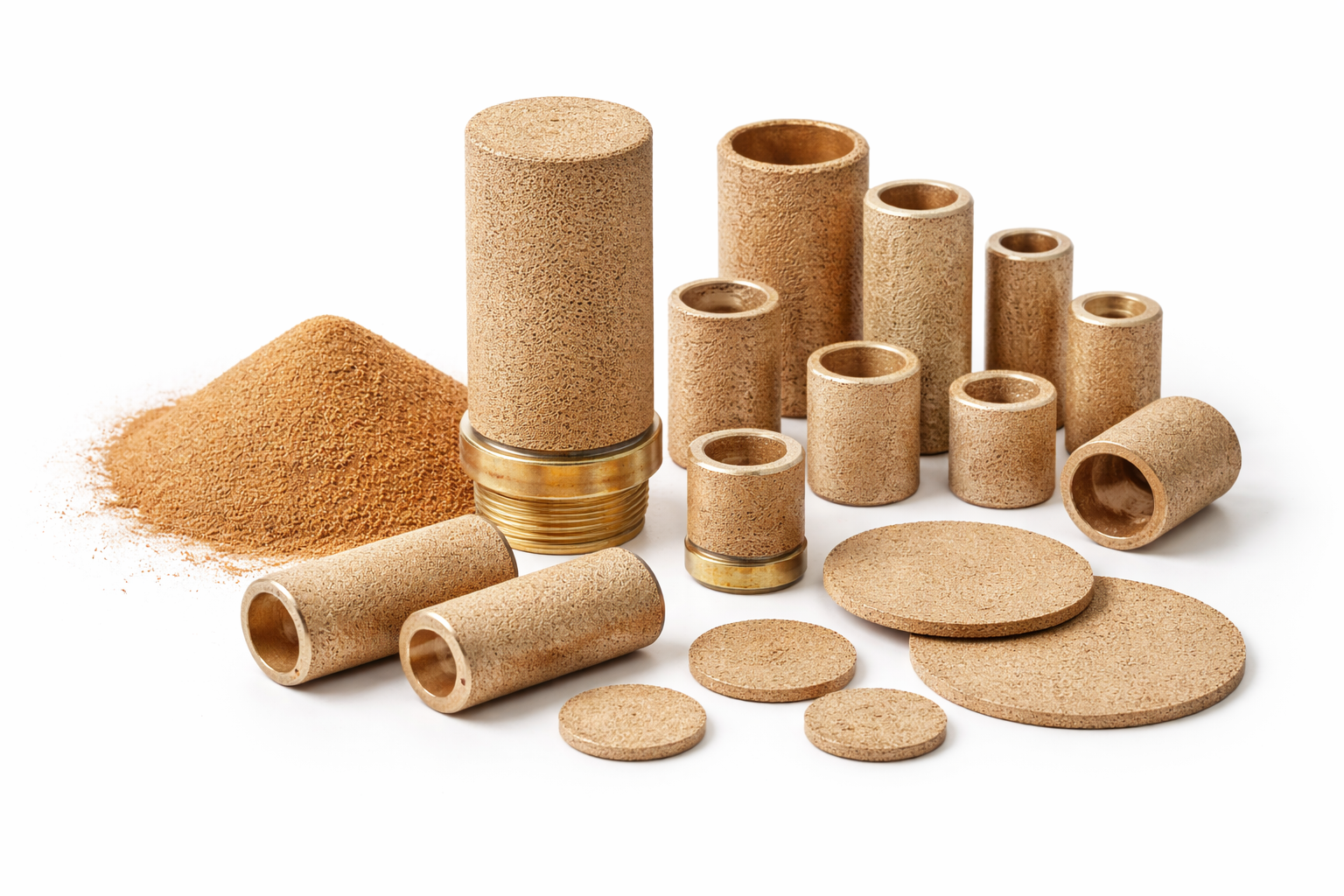
Copper and alloy powders used in brazing or soldering routes are usually judged by chemistry first, but real production performance depends on more than alloy percentage. Particle size distribution, oxide control and paste behaviour strongly influence wetting, flow and final assembly consistency.
Paste behaviour starts from powder control
Powder consistency influences viscosity, screen or dispensing response and the stability of the paste over time. If particle size or oxide level drifts, production usually sees the change immediately through print quality or joining response.
Qualification should mirror the real brazing or soldering route
The right evaluation path usually includes the actual paste system, substrate, atmosphere and thermal cycle. A powder that looks acceptable in a generic test may behave differently in the customer route. This is why application support matters in addition to nominal powder data.
MEPOSO can support technical comparison of powders used in brazing and soldering routes.