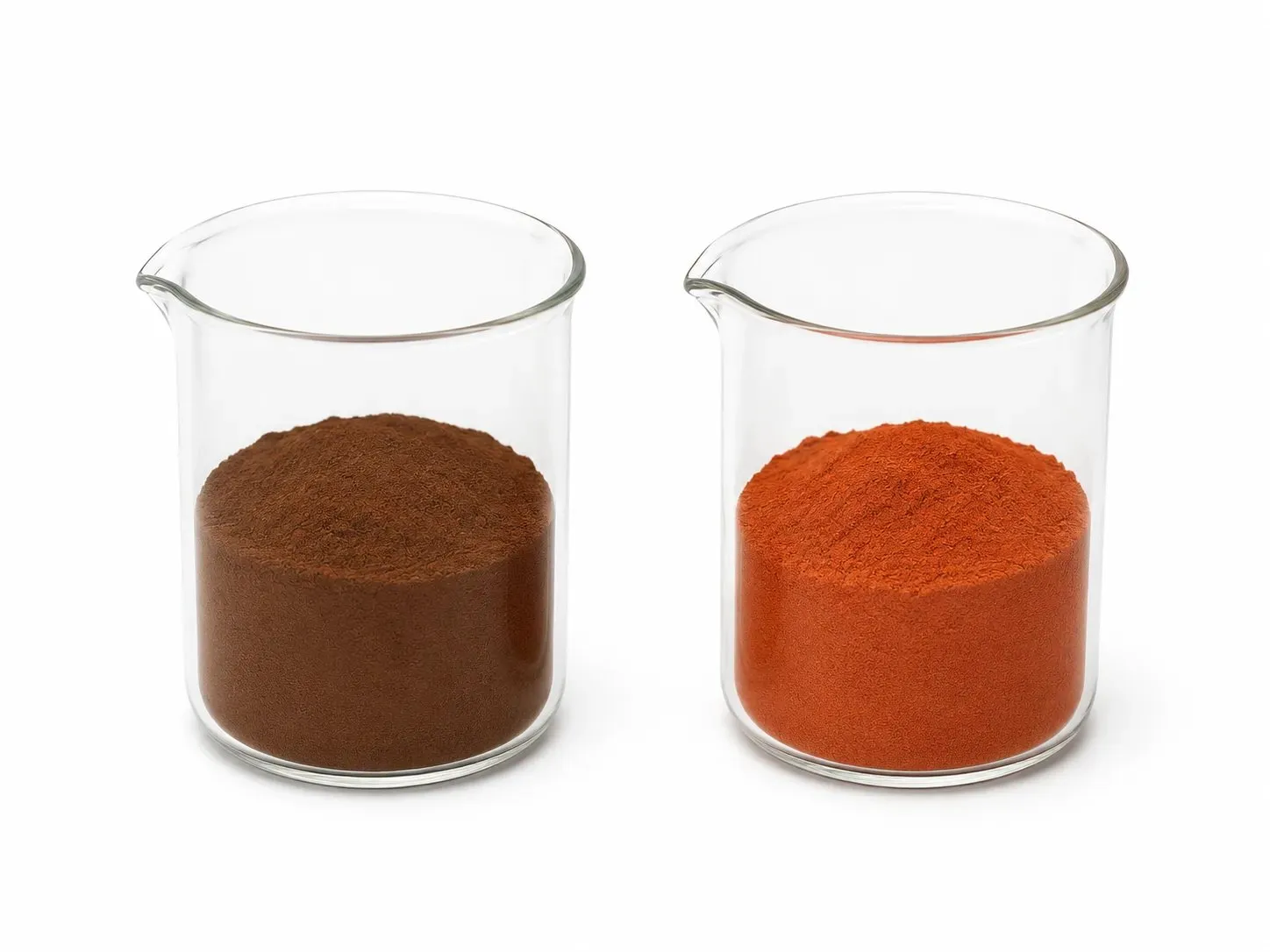
Copper powder for antifouling coatings: why only oxidised copper protects hulls
Elemental copper does not protect hulls. Only cuprous oxide Cu2O releases the copper ions that prevent marine organisms from colonising the hull surface.
Read article
Guides and technical articles from MEPOSO on powder selection, atomization routes, additive manufacturing and compliance topics.
Practical content on process choice, powder behaviour, qualification and compliance in B2B supply.
Elemental copper does not protect hulls. Only cuprous oxide Cu2O releases the copper ions that prevent marine organisms from colonising the hull surface.
Read article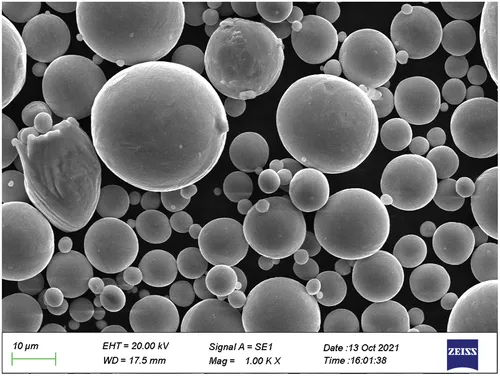
Laser diffraction is the most widely used method for measuring particle size distribution (PSD) of metal powders. The technique measures the angular distribution of light scattered by particles passin
Read article
REACH and RoHS are distinct regulatory frameworks that affect metal powder sourcing differently. Understanding which obligations apply to your supply chain prevents costly compliance gaps.
Read article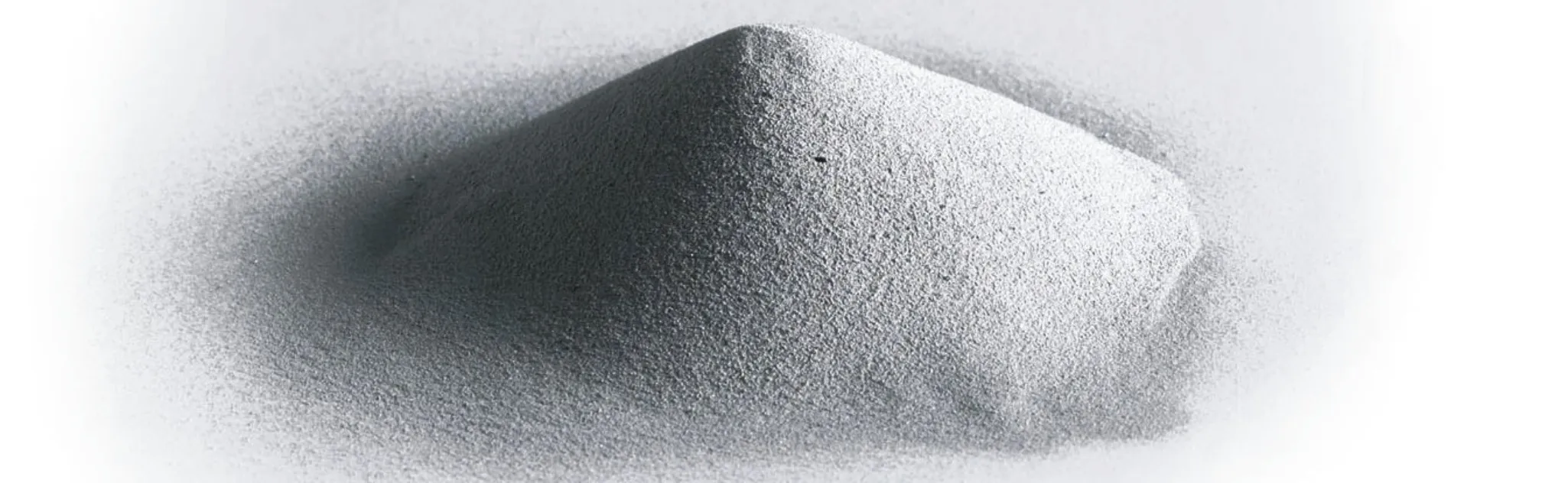
Choosing the right metal powder starts from understanding the process, not just from reading the catalogue. Particle size, morphology, density and chemistry must all align with the specific manufacturing route.
Read article
Decorative resin systems use copper, brass and bronze powders to create genuine metallic depth, tactile surfaces and controllable finishes for interior design, furniture and architectural applications.
Read article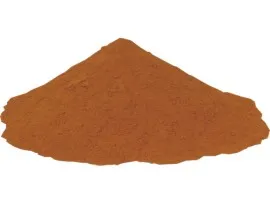
Copper and alloy powders used in brazing or soldering routes are usually judged by chemistry first, but real production performance depends on more than alloy percentage. Particle size distribution, o
Read article
Additive manufacturing demands metal powders with tightly controlled sphericity, particle size distribution, oxygen content and batch consistency. Understanding these requirements is critical for qualifying new powder sources.
Read article
Water, gas and air atomization produce fundamentally different powders. Understanding the trade-offs in morphology, oxide content and cost is essential for selecting the right route for each industrial application.
Read article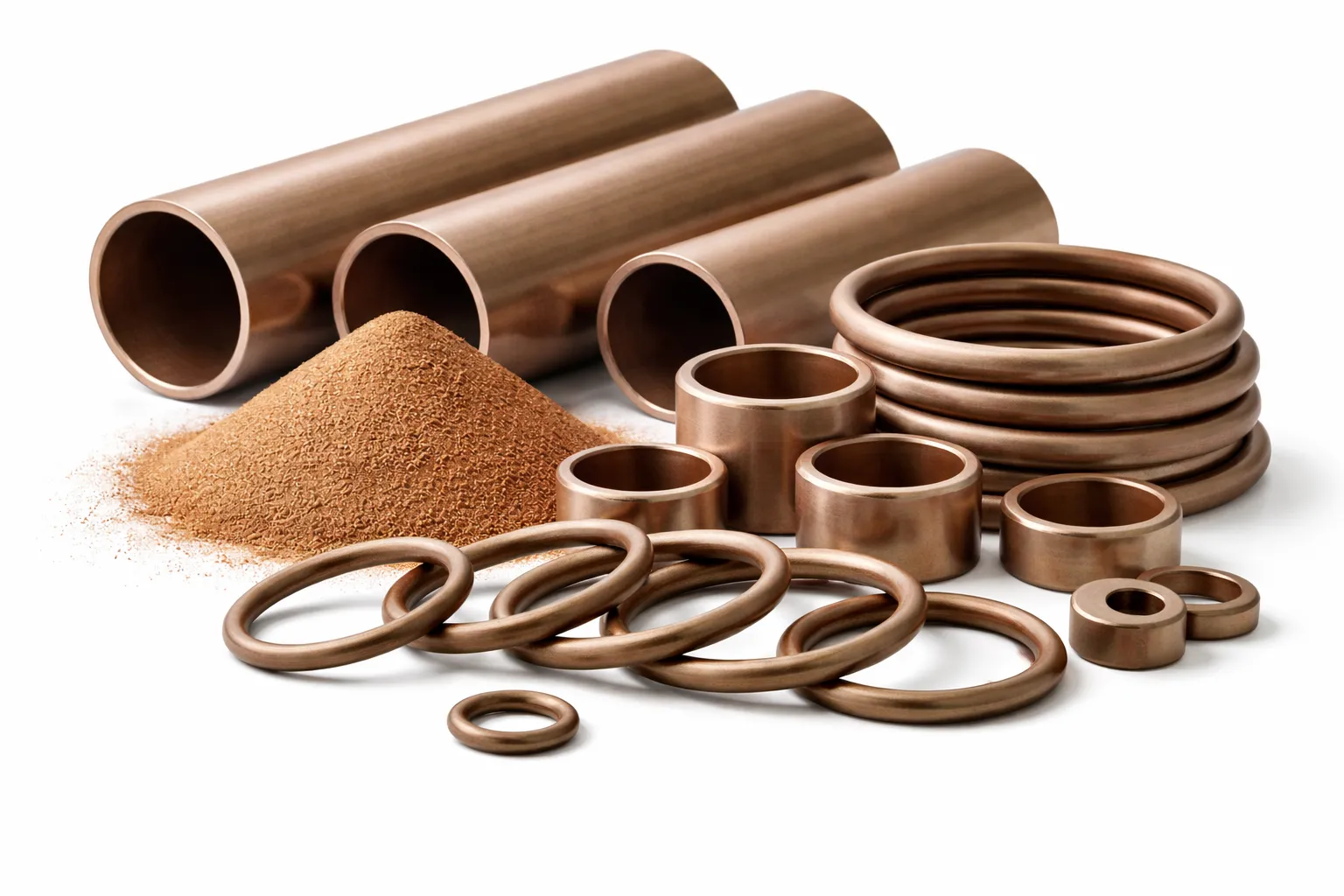
PTFE alone has poor thermal conductivity and high creep. Bronze powder filler solves both problems while maintaining chemical resistance.
Read article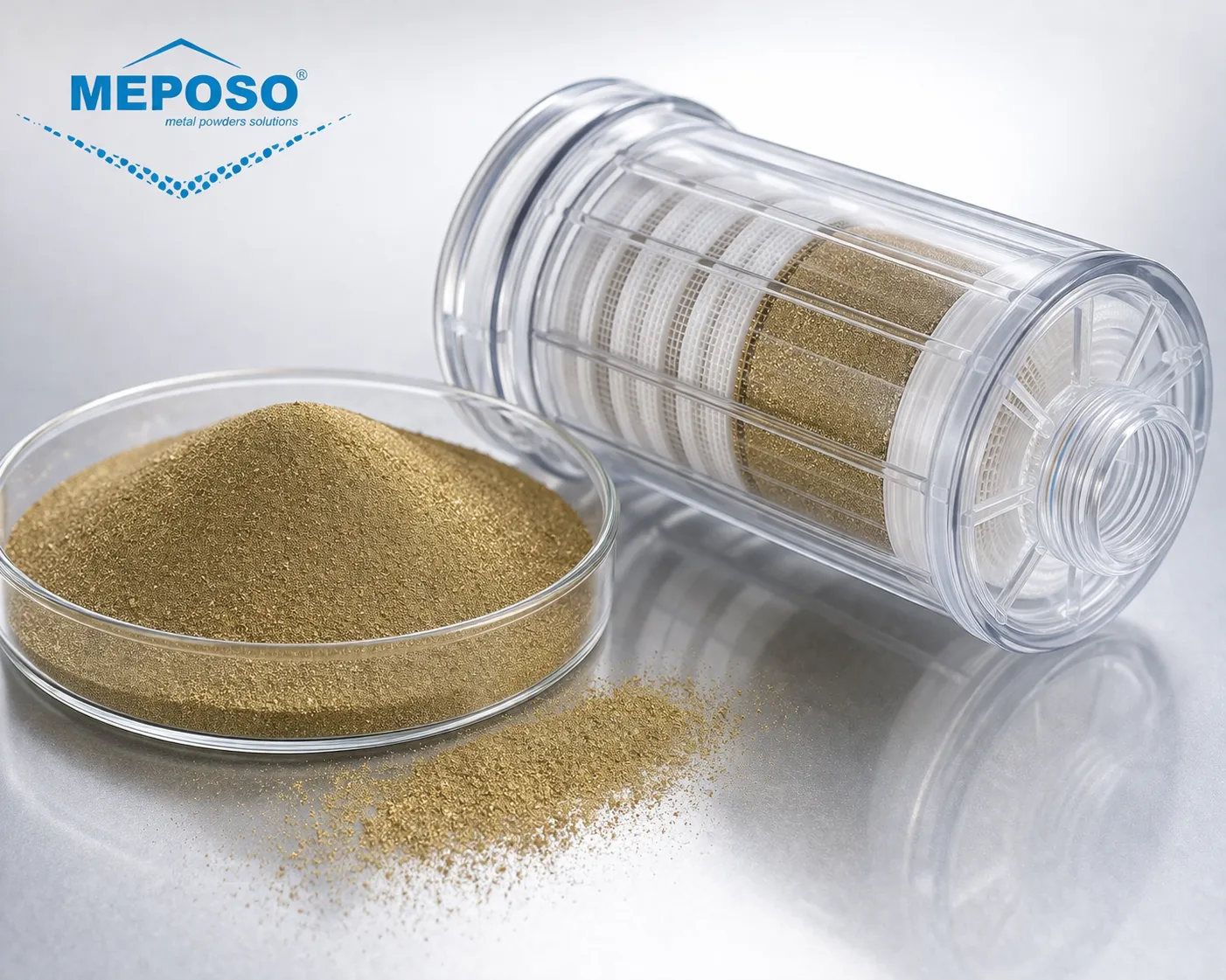
Sintered brass filters are porous metal elements produced by pressing and sintering brass powder (typically CuZn30 or CuZn40 compositions) to create a controlled pore structure that physically traps p
Read article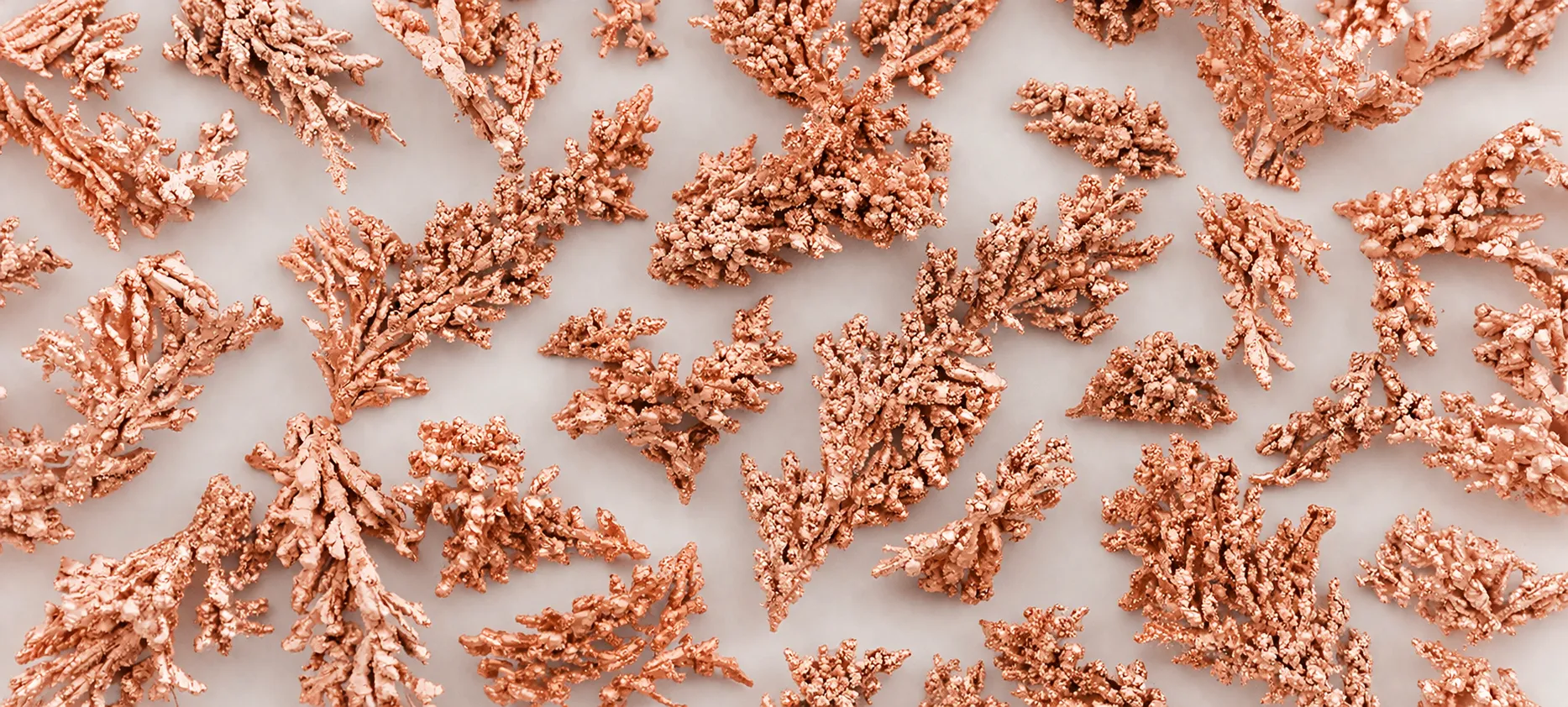
Electrical contacts demand a precise balance of conductivity, hardness and arc erosion resistance. The right copper powder grade and particle morphology determine whether a sintered contact performs reliably for millions of switching cycles.
Read article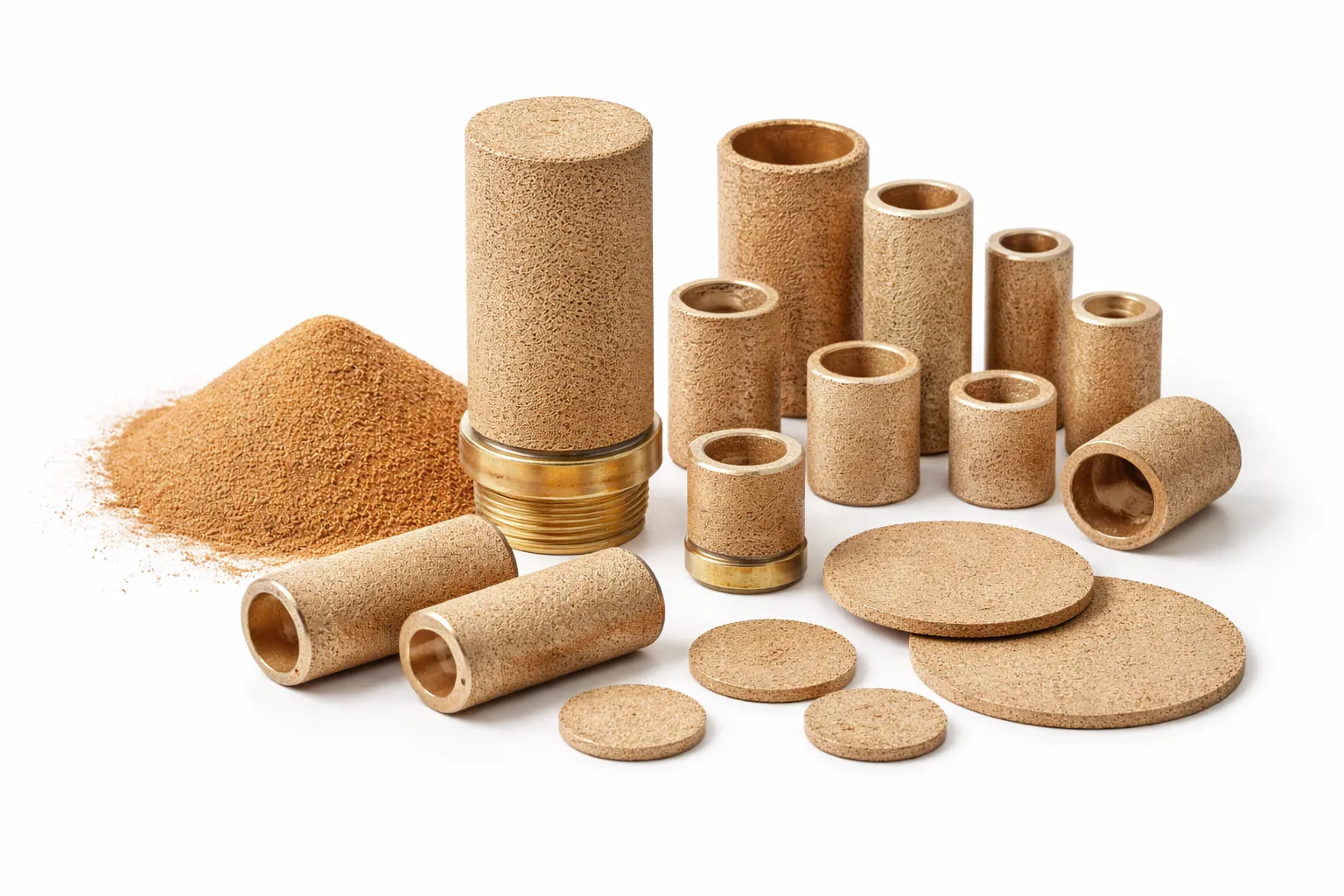
Sintered metal filters offer unmatched thermal resistance, mechanical strength and cleanability compared to polymer or ceramic alternatives. The choice of metal powder grade directly determines the filter's pore structure, flow capacity and service life.
Read article
Sintered friction materials used in brakes, clutches and transmission components rely on metal powder matrices to provide structural integrity, thermal conductivity and controlled friction characteris
Read article
Metallic pigments are finely divided metal powders or flakes used to impart metallic appearance, colour and functional properties to coatings, inks, plastics and decorative materials. The main familie
Read article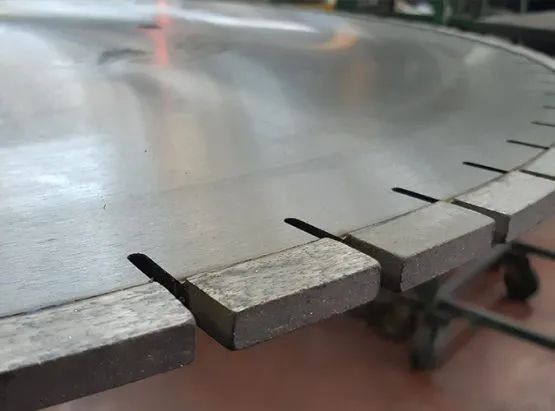
Diamond tool performance depends on matrix composition. Metal powders determine diamond retention, wear rate and segment integrity under load.
Read article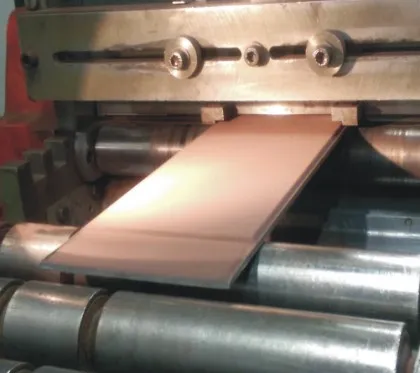
Bi-metal bearing production relies on bronze powders sintered onto steel backing strips. This article covers CuSn10Pb10, lead-free alternatives and the powder properties that determine bearing performance.
Read article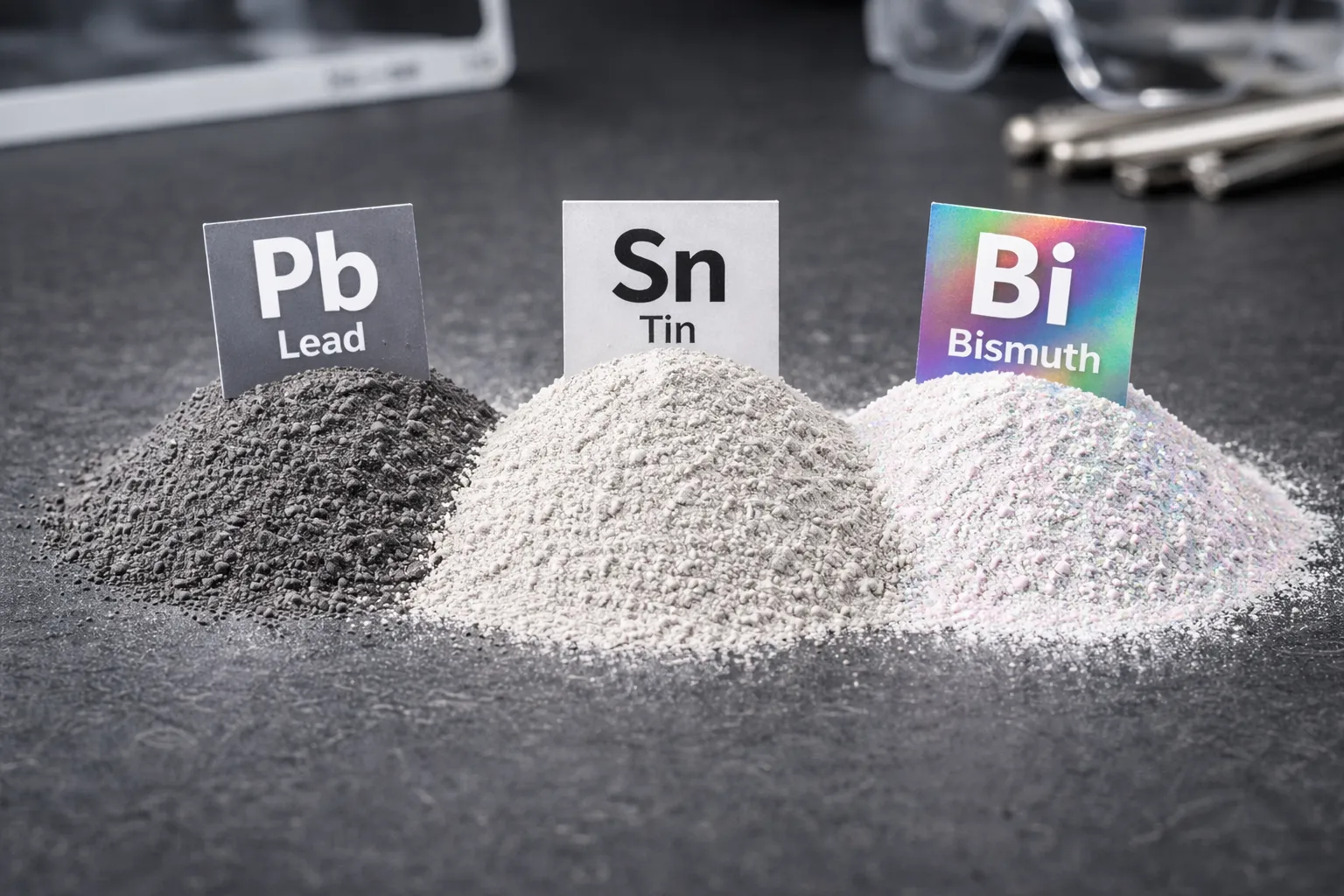
Traditional radiation shielding uses solid lead sheets or bricks, but many applications require flexible, lightweight, wearable or conformable shielding materials. These are produced by loading fine m
Read articlePriority internal paths from the blog hub to the copper, bronze, brass and tin pages and their strongest related technical articles.
Go from the blog hub to copper powder grades and the article focused on metal powders for additive manufacturing.
Copper product page Additive manufacturing articleGo from the blog hub to bronze powder grades and the article focused on leaded bronze powders for bearings and bi-metal strip applications.
Bronze product page Leaded bronze articleGo from the blog hub to brass powder grades and the article focused on brass powders for filtration and industrial water treatment systems.
Brass product page Brass filtration articleGo from the blog hub to pre-alloy and granule solutions, plus the articles focused on soldering routes and contact-material production.
Pre-alloy product page Contact materials articleGo from the blog hub to nickel powder grades and the article focused on contact-material production routes.
Nickel product page Contact materials articleGo from the blog hub to aluminium powder grades and the article focused on atomization process routes.
Aluminium product page Atomization articleGo from the blog hub to zinc powder grades and the article focused on atomization process routes.
Zinc product page Atomization articleGo from the blog hub to lead and SnPb powder grades and the article focused on soldering-oriented applications.
Lead product page Soldering articleGo from the blog hub to silver powder grades and the article focused on contact-material production routes.
Silver product page Contact materials articleGo from the blog hub to SILFLOK metallic pigments and the article focused on decorative resin systems.
Pigments product page Decorative resins articleComprehensive range of atomized metal powders, pre-alloys and metallic pigments for diverse industrial applications
Powder Metallurgy • Diamond Tools • Friction Materials • Structure Parts • Catalysts • Bronze Sintering Parts • Electrical Contacts
PTFE Compounds • Filters & Porous Parts • Diamond Wheels • Additive Manufacturing • Artistic Casting • Bearings & Bushings • Friction Materials • Sintered Parts
Sintered Components • Filtration • Engine Parts • Decorative Coatings • Structural Components • Water Filtration • Electrical • Press & Sinter
Friction Materials • Bronze Components • Pre-Alloy Bronzes • PTFE Compounds • Diamond Segments • Cold Casting • Artistic Industry
X-Ray Shielding • Anti-Friction • Radiological Clothing • PTFE Compounds • Diamond Polishing • Cold Casting • Artistic Industry
Chemical Industry • Electrical • Metallurgy • Lightweight Components • Decorative • Soldering • PTFE Compounds
Powder Metallurgy • Diamond Tools • Friction Materials • Batteries • Structural Parts • Catalysts • Decorative • Soldering
Soldering • Thermal Spray • Hardfacing • Industrial Components
Silicon Solar Cells • Automotive Glass • Sintered Contacts • Carbon Brushes • Electrical Contacts • Diamond Tools • Decoration
Contact MEPOSO to discuss chemistry, particle size, atomization route and supply requirements.
Contact